
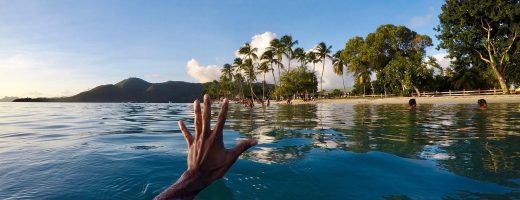
In many Caribbean island-nations and territories, LGBT (gay) life can consist of a rosy romantic cruise or a languid lounge on a picturesque beach topped with a gay party in the evening. But not for all, especially native born LGBT citizens whose families descend from indigenous Caribbean cultures such as Taino, Arawak, Caquetio (and a dozen others) as well as Spanish and African cultures where homosexuality is not usually a welcome trait. There is wide variety of gay people in the Caribbean but the widest separation is between northern American and European white tourists and the local-born ‘natives’ of these islands. We are everywhere and we are everywhere very diverse.
Martinique is an island in the eastern Caribbean Sea. It is an overseas department of France, hence Martinique is also one of the twenty-six regions of France and an integral part of the Republic. As part of France, Martinique is part of the European Union, and its currency is the euro. Its official language is French, although most inhabitants also speak Antillean Creole. On this island French Law is in force which carries with it the legalization of homosexuality and the other statutes pertaining to LGBT rights of individuals and relationships, including gay marriage as of 2013. See Gay Rights in France. The island enjoys a higher standard of living than most other Caribbean countries. Martinique is a part of the French West Indies.
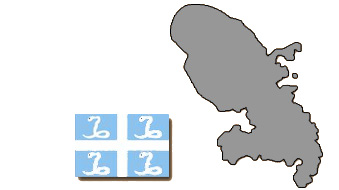
Name: Martinique
Population: 401500
Capital: Fort-de-France - Pop. 95000
Area: 1102 sq. km/ sq. miles
Language: French, Antillean Creole
Religion: Christian
Status of Homosexuality: Legal
Telephone Country Code: 0