
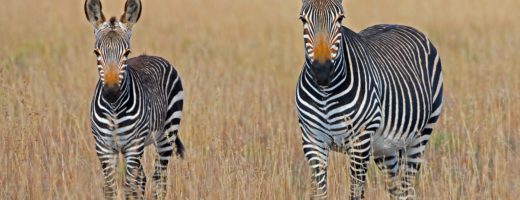
South Africa, Africa


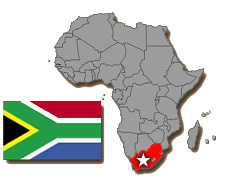
South Africa is known for its diversity and eleven official languages are recognized in its constitution. English is the most commonly spoken language in official and commercial public life, however it is only the fifth most spoken home language. On 31 May 1961 the country became independent from England. It has three capitals: Pretoria (administrative), Bloemfontein (judicial), and Cape Town (legislative). Homosexuality is legal and South Africa's post-apartheid constitution was the first in the world to outlaw discrimination based on sexual orientation. On 1 December 2006 South Africa made history by becoming the fifth country in the world and first in Africa to legalize same-sex marriage. However, homophobia still runs high. 
 

Related GlobalGayz Articles & Photos:

For Gays and Lesbians Apartheid is Alive and Well

| October 28th, 2009 | Comments Off

  Laguna Beach, CA – October 28, 2009 Richard Ammon – GlobalGayz.com   Last night on PBS a drama titled ‘Endgame’ was broadcast nationwide that focused on the intense and delicate negotiations in South Africa in the late 1980’s that brought down apartheid and brought a new dawn of democracy in that tormented country.   It was a gripping drama of real life brought close up with cameras, script and fine acting by players who had not previously been privy to the dangers and risks of the political and murderous chess match. At any one time, any one of the historical figures could have been assassinated, including Nelson Mandela whose release from 27 years in prison was the keystone to the new order of life in South Africa.   I couldn’t help thinking of the poignant parallel between the South African apartheid mentality that justified so much killing and violence,

See the Full Version Here

South Africa – Johannesburg (1) (photos)

| June 2nd, 2009 | Comments Off

Modern human beings have inhabited South Africa for more than 100,000 years. At the time of European contact, its indigenous peoples reflected migrations from other parts of Africa. Two major groups were Xhosa and Zulu peoples. The discovery of diamonds and later gold in 1886 triggered war, as the Boers and the British fought for the control of the mineral wealth. Apartheid was established by law in 1948 and additional legislation outlawed relations between different racial groups. South Africa achieved its political independence in 1961 when it was declared a republic. In 1990 then-president F.W. de Klerk began to dismantle apartheid. In 1994 South Africa held its first democratic election and Nelson Mandela and his ANC party came to power. South Africa is known for its diversity in cultures, languages, and religious beliefs. It has three capital cities: Cape Town is the legislative capital; Pretoria is the administrative capital; and

See the Full Version Here

South Africa – Johannesburg (2) (photos)

| June 1st, 2009 | Comments Off

South Africa has three capital cities: Cape Town, the largest of the three, is the legislative capital; Pretoria is the administrative capital; and Bloemfontein is the judicial capital. Johannesburg is the unofficial financial capital of the country. The discovery of diamonds and later gold in 1886 near the city turned it into a massive boom town and later triggered the conflict known as the 3-year Anglo-Boer War, as the Boers and the British fought for the control of the South African mineral wealth. Today Joburg is still the powerhouse of RSA—for the middle and upper classes. The majority of black citizens suffer high unemployment, insecurity and still wait for indoor plumbing. Read the story about Gay South Africa

See the Full Version Here

South Africa – Johannesburg (3) (photos)

| June 1st, 2009 | Comments Off

Although Johannesburg is not a capital city it is the powerhouse of South Africa where life is bold, varied and definitely an adventure. South Africa has three capital cities: Cape Town, the largest of the three, is the legislative capital; Pretoria is the administrative capital; and Bloemfontein is the judicial capital. There are numerous comfortable suburbs of quiet living in Joburg, albeit behind gates and electric fences. And this city is home to gay Africa’s finest LGBT site, Behind the Mask. Through journalistic activism, BTM strives to mainstream lesbian, gay, bisexual, transgendered, and intersex interests and to change negative attitudes towards homosexuality and same sex traditions in Africa. Read the story about Gay South Africa

See the Full Version Here

Gay South Africa

| January 1st, 2009 | Comments Off

Intro: From international pariah under apartheid to world class human rights leader, South Africa has made the most remarkable turn-around of any country. Lesbigays are protected by a new constitution and now celebrate true and equal diversity with other minorities. Also see: Gay South Africa News & Reports 2000 to present Gay South Africa Photo Galleries By Richard Ammon Updated March 2010   Gay Pride For me, no single act presented the New South African more than the proud 1994 entry of Team South Africa into the opening ceremonies for Gay Games IV in New York. Although not excluded from previous games (unlike the Olympics), this was a justifiably righteous celebration of victory over the dark forces of apartheid that had smothered their country and their gay culture for nearly half a century. Waving the integrated colors of their ‘New South Africa’ flag high over head, the beaming team of

See the Full Version Here

Northern South Africa (photos)

| January 1st, 2009 | Comments Off

The South African coast stretches 2,798 kilometres (1,739 mi) and borders both the Atlantic and Indian oceans. Modern human beings have inhabited South Africa for more than 100,000 years. European settlement expanded during the 1820s as the Boers (original Dutch, Flemish, German and French settlers) and the British 1820 Settlers claimed land in the north and east of the country. The discovery of diamonds and gold triggered the conflict known as the Anglo-Boer War as the Boers and the British fought for the control of the South African mineral wealth. Under colonial rule and subsequent South African governments, institutionalized segregation known as apartheid was legalized in 1948. In 1990 the then president F.W. de Klerk began to dismantle this cruelty, and in 1994 the first democratic election was held in South Africa bringing Nelson Mandela and the African National Congressto power. Subsequently a new constitution was written that forbade discrimination

See the Full Version Here

Southern South Africa (photos)

| January 1st, 2009 | Comments Off

The South African coast stretches 2,798 kilometres (1,739 mi) and borders both the Atlantic and Indian oceans. Modern human beings have inhabited South Africa for more than 100,000 years. European settlement expanded during the 1820s as the Boers (original Dutch, Flemish, German and French settlers) and the British 1820 Settlers claimed land in the north and east of the country. The discovery of diamonds and gold triggered the conflict known as the Anglo-Boer War as the Boers and the British fought for the control of the South African mineral wealth. Under colonial rule and subsequent South African governments, institutionalized segregation known as apartheid was legalized in 1948. In 1990 the then president F.W. de Klerk began to dismantle this cruelty, and in 1994 the first democratic election was held in South Africa bringing Nelson Mandela and the African National Congressto power. Subsequently a new constitution was written that forbade discrimination

See the Full Version Here